
Sept 2026
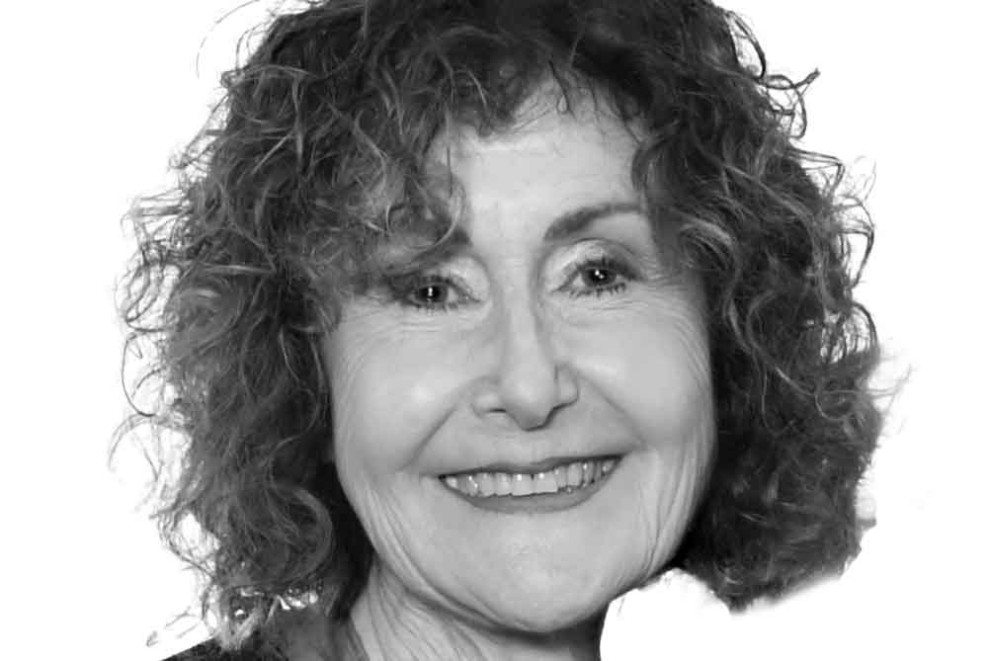
Phyllis Shragge
Accept your limitations. Reach for the moon.
The first option may be the safe choice, but the second option propels you into that intangible state of mind called hope. True, your dream of success may be elusive, but let’s face it, the moon isn’t that far away. Just ask the Artemis II astronauts.
No matter what our age or circumstances, we are happier if we strive for almost-impossible goals. Just imagining our success makes each day seem a bit brighter.
When I was a young girl, I imagined myself as a dancer in Broadway musicals. As it turned out, even after years of ballet and modern jazz training, this dream was not to be. But eventually, I found a career I loved when I became a staff writer for a city newspaper.
My job required me to write succinctly with little room or time for elaboration. Now, when I write, my journalism training is both an advantage and a disadvantage. I believe I can get to the point with minimal words, but I find it a challenge to expand when few words tell the tale. There lies just one of the problems when it comes to that dream I mentioned earlier. Keep this under your hat: I’d love to write a novel.
I’d love to write a novel that keeps readers hooked page after page. Good writing, in my opinion, is easy-to-read writing. It’s a joy to find a page-turner among so many books that meander here and stall there.
I believe many award-winning novels are a struggle to read, with plodding pacing and overdrawn details. As I read these books, I silently admonish the editors for not weeding out the many pages of description.
Often, we assume that fast-paced novels lack literary value, but they can be complex, with powerful themes and well-developed characters. And if they just entertain, so what? A good read is a good read.
Although I’d love to write a novel, my biggest challenge is my nemesis: plot development. I manage when it comes to constructing a short story that moves to an unplanned but reasonable conclusion. When I write a short story, I begin without knowing how it will end. The story takes me to the end, rather than vice versa. I’m surprised by how things turn out.
However, writing a novel is quite different, not just because of the length, but because of the complexity. I once attempted to write a novel, completing about 50,000 words, when it hit me: I had no idea where I was going. I had reached a dead end. And I realized my characters were as flummoxed as I was about the direction we were heading.
I’m a great planner when it comes to my real life, but when it comes to writing a novel, I get stuck. Indeed, writing a novel requires planning, and, in most cases, an outline.
True, there are some novelists who can wing it page after page and reach a logical ending, but these authors are few and far between. Most authors know how things will turn out before they set pen to page, or actually, fingers to keyboard.
When I write, I sail along with the characters through the choppy waters of my creative sea. But unfortunately, unless the story is short, I drown.
Wistfully, I dream about someday writing a full-length novel. Maybe I will try again, but I know myself. I might be able to come up with a vague storyline, but when it comes to creating a well-developed plot, I don’t know if I’m capable.
If only someone else would write the outline.
You might know where I’m going with this. Someone else won’t write the outline, but something else will, and that something is AI. It seems ChatGPT is ready and willing to come to my assistance. But if I turn to ChatGPT for help, does that make me a fraud? An immoral fraud at that?
What to do? I’m tempted to use an AI-generated outline, but I wonder about the ethics in all of this. I tell myself it doesn’t matter if I do the actual writing. After all, AI’s assistance could be considered a well-drawn-out writing prompt.
Should I accept my limitations? Or should I reach for the moon?
